How to Tell When Your Inner Resistance Is Guidance — And When It Is Just Fear

Your inner resistance feels like a wall. But is it blocking your path or pointing the way? Many confuse fear for intuition, missing the signal that leads to your authentic self. This guide offers a clear, body-based framework to separate fear from true guidance—so you can act with confidence and clarity. Step into your power by learning to trust your intuition and move forward aligned with your life purpose. For more insights, check out this resource.

Recognizing Inner Resistance

Understanding inner resistance is the first step to navigating your path with clarity. It often feels like a barrier, but it might actually be a guide. Let’s explore how to tell the difference.

Identifying Fear vs Intuition

Fear often shouts while intuition whispers. Fear can make you feel anxious and uneasy. It usually comes with a racing heart, sweaty palms, and a feeling of dread. This isn’t a reflection of reality, but rather your mind’s way of keeping you safe from perceived threats.

Intuition, on the other hand, feels calm and grounded. When intuition speaks, it brings a sense of knowing and peace. You might feel a gentle nudge or a quiet voice nudging you in a certain direction. It’s like having a wise friend guiding you from within.

Consider a time when you felt torn about a decision. Did you feel panicked or did you sense a calm certainty? That’s the difference between fear and intuition. Explore more about moving from wisdom rather than fear.

Somatic Cues for Intuition

Your body holds many clues about your true feelings. Pay attention to these somatic cues. For instance, intuition might manifest as a relaxed, open posture. You might feel a warm sensation in your chest or a lightness in your step, signaling alignment with your true desires.

Conversely, fear can create tension. You might clench your jaw or feel tightness in your chest. These are signals your body sends when reacting to something it perceives as threatening.

By tuning into these physical sensations, you can differentiate between fear and intuitive guidance. This body-based awareness empowers you to make decisions aligned with your true self. Discover more about the voice of fear vs the voice of wisdom.

Guidance or Fear?

Once you recognize the difference between fear and intuition, you can begin to understand whether your inner resistance is a call to pause or a push to forge ahead.

Decision-Making Framework

Here’s a simple framework to guide your decisions:

  1. Pause and Reflect: Take a moment to breathe deeply.

  2. Assess Your Feelings: Are you feeling calm or anxious?

  3. Listen for Inner Wisdom: What is your gut telling you?

  4. Act with Confidence: Decide based on what feels right, not what you fear.

Most people think decision-making is purely logical, but emotions play a big role. The next time you’re faced with a choice, remember these steps. They’ll help you act with clarity and confidence.

Trust Your Intuition

Trusting your intuition can feel daunting at first. It requires letting go of control and embracing uncertainty. But the more you practice, the more natural it becomes. Your intuition is like a muscle: the more you use it, the stronger it gets.

Consider joining a community of like-minded individuals who are also on this journey. They can offer support and insights from their experiences. This community is a great place to start.

Steps to Personal Empowerment

With a clearer understanding of your inner signals, you’re ready to embark on a path of empowerment and growth. Here’s how to take the next steps.

Spiritual Growth Coaching Techniques

Spiritual growth coaching can provide you with tools to deepen your understanding of your inner world. Techniques like meditation, journaling, and visualization help you connect with your authentic self. These practices can reveal insights you might not access through logic alone.

Roger Burnley’s Wilhelm channeling is a unique approach that blends spiritual insight with practical guidance. By tapping into cosmic consciousness, you gain a new perspective on your life’s journey. This holistic approach fosters personal empowerment and spiritual growth.

Self-Acceptance Practices for Clarity

Self-acceptance is essential for clarity. By embracing all parts of yourself, you release judgements that cloud your perception. Practices like affirmations and gratitude journaling cultivate a positive mindset and reinforce your worth.

As you embrace your authentic self, you’ll notice fear diminishing and confidence growing. This shift opens the door to aligned action and fulfilling your life purpose. Explore more about how inner resistance can be a form of guidance.

By integrating these insights and practices, you empower yourself to navigate life’s challenges with grace and assurance. Remember, your journey to personal empowerment isn’t just about overcoming fear—it’s about embracing your true self.
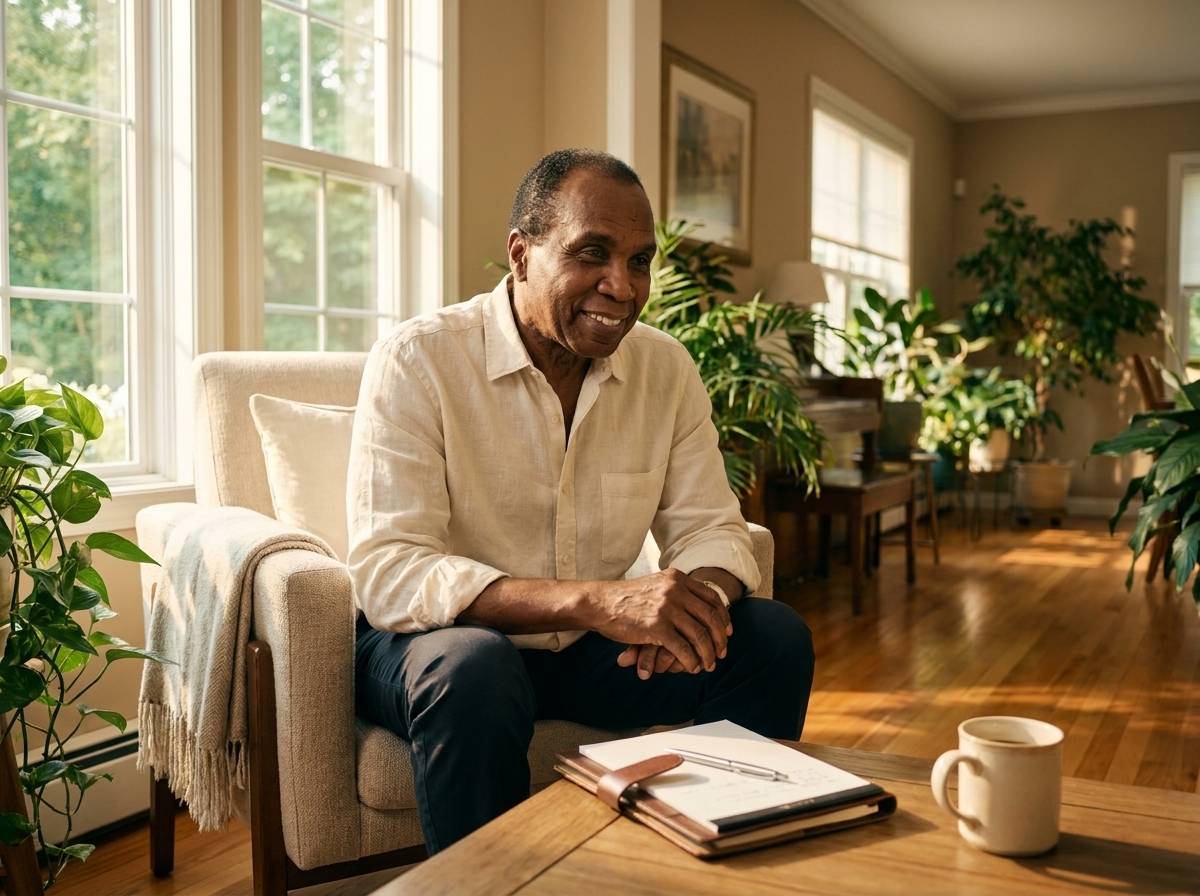
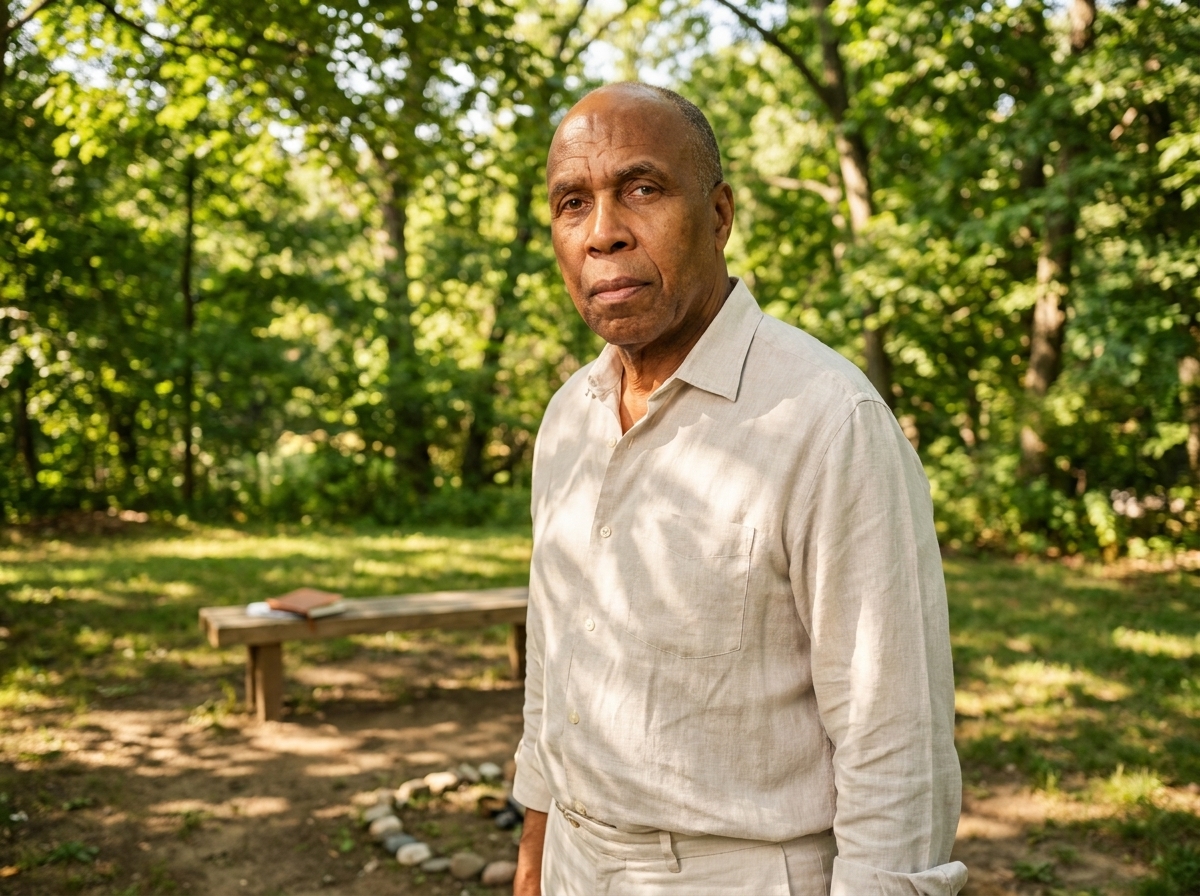
7 Signs You’re Spiritually Outgrowing Your Current Life — And What To Do Next

7 Signs You’re Spiritually Outgrowing Your Current Life — And What To Do Next

You feel restless, like your current life no longer fits who you’re becoming. These are clear signs of spiritual awakening—you’re outgrowing your life and ready for the next step. This shift can feel confusing, but it’s your soul calling for purpose alignment and energetic realignment. In this post, you’ll recognize these signals and learn how intuitive guidance and transformational coaching can lead you toward your authentic self. For more insights, you can check out this link.

Recognizing Spiritual Outgrowth

When life feels like it no longer fits, you might be experiencing a spiritual outgrowth. This can manifest in various ways that signal it’s time for change.

Feeling Restless and Misaligned

You might feel an itch that can’t be scratched. This restlessness suggests your current surroundings don’t match who you are becoming. You may find yourself questioning your daily routine and feeling out of place. This isn’t just discontent; it’s a sign that your spirit is seeking more. Most people think they’re just unhappy, but this feeling can be an invitation to explore deeper aspects of yourself. Start by noticing when and where you feel most restless. These are the areas in your life ready for change.

Craving Personal Empowerment

Do you yearn for more control over your life? This craving for empowerment often means you’re ready to step into your true potential. When you feel limited by external circumstances, it’s your inner self urging you to take charge. Personal empowerment isn’t about gaining power over others; it’s about reclaiming your own. Imagine a life where you make choices aligned with your true desires. The longer you wait to embrace this, the more distant that life feels. Listen to this call—it’s urging you to find your voice and start making decisions that reflect your authentic self.

Experiencing Purpose Disconnection

Feeling disconnected from your purpose can be unsettling. You might excel at what you do, yet feel unfulfilled. This disconnection is a strong indicator that your current path no longer aligns with your soul’s calling. It’s crucial to explore what truly resonates with you. Reflect on past passions or interests that once excited you. Engaging with these can reignite a sense of purpose. Keep in mind, most people think a career defines purpose, but true fulfillment often lies beyond professional achievement. Be open to exploring new avenues that bring joy and meaning.

Steps to Embrace Change

The path to embracing change starts with small, intentional steps that align with your spiritual growth.

Seeking Spiritual Growth Coaching

Connecting with a coach can provide clarity and direction. A transformational coach will help you navigate this period of transition. They offer guidance, tools, and strategies tailored to your unique journey. Coaching can help you identify blocks and patterns holding you back. With a coach, you’re not just seeking advice; you’re gaining a partner in your personal growth. Imagine having someone who understands the complexities of your spiritual awakening and can help you make sense of it all. This support can accelerate your journey to self-discovery.

Aligning with Intuitive Guidance

Your intuition is a powerful ally in this process. Listening to your inner voice can lead you to the next steps on your path. Often, intuitive guidance comes as a quiet nudge or a gut feeling pointing you toward or away from something. Trusting your intuition can be challenging, especially if you’re used to relying on logic and reason. Start small by following your instincts in minor decisions. Over time, this practice can strengthen your connection to your inner guidance. Remember, intuition isn’t about making perfect choices; it’s about aligning with your true self.

Engaging in Consciousness Evolution

As you grow spiritually, you’ll notice shifts in your awareness and perspective. This is part of consciousness evolution, where you begin to see life from a broader viewpoint. Participating in programs or groups focused on spiritual growth can support this process. Engaging with others on a similar path can offer new insights and perspectives. Consider joining a community or taking part in workshops that encourage deep exploration of self. This shared journey can offer both support and challenge, helping you to expand your consciousness and deepen your understanding of your spiritual path.

Taking Decisive Next Steps

Now is the time to take decisive action toward your new life, ensuring each step aligns with your authentic self.

Exploring Wilhelm Channeling

Exploring Wilhelm channeling offers unique insights tailored to your journey. A session can reveal hidden aspects of yourself and provide clarity on your path forward. Channeling sessions connect you to a higher consciousness, offering guidance that aligns with your soul’s purpose. This experience can be transformative, giving you a clearer understanding of your life’s direction. You may uncover new possibilities and gain a deeper sense of peace and clarity. Consider this as a step to unlocking the secrets within you.

Committing to Purpose Alignment

Aligning with your purpose requires commitment. It’s about making choices that resonate with your deepest values and desires. Reflect on what truly matters to you and let this guide your decisions. This commitment can transform your life, bringing a sense of fulfillment and joy. Most people think purpose is about grand achievements, but it can be found in everyday actions that reflect your values. Stay committed to this alignment and watch as your life begins to reflect who you truly are.

Adopting Self-Acceptance Practices

Embracing self-acceptance is vital for personal growth. It involves acknowledging your strengths and weaknesses without judgment. Practice self-compassion and patience as you navigate this journey. Self-acceptance doesn’t mean complacency; it means recognizing your worth at every stage of growth. Incorporate daily rituals that reinforce your value and remind you of your progress. Affirmations, journaling, or meditation can be powerful tools in this process. By accepting yourself fully, you create a strong foundation for continued growth and transformation.